

Growing up brings many changes for teenage girls. These changes are natural, but sometimes they can feel confusing, scary, or overwhelming. Many parents and teens ask the same question: “When should a teenage girl see a gynaecologist?”
In this article, we will talk in very simple language about why it is important for teens to see a gynaecologist, what to expect during the visit, and how Dr. Neha Lalla, known as one of the best gynecologist in dubai, can help make this journey smoother and more comfortable.
Why Do Teenage Girls Need to See a Gynaecologist?
A gynaecologist is a doctor who helps girls and women with their reproductive health. Many people think that girls only need to see a gynaecologist when they are older, married, or pregnant. But actually, it is very helpful for teenage girls to visit too.
Here are some simple reasons why teenage girls should consider seeing a gynaecologist:
To learn about their body and how it changes during puberty
To ask questions about periods, cramps, and irregular bleeding
To get help with very heavy or painful periods
To talk about vaginal discharge, itching, or infections
To get advice about acne, mood changes, or hormonal problems
To discuss safe habits, hygiene, and healthy living
To understand topics like PCOS (polycystic ovary syndrome)
To learn about vaccines like the HPV vaccine, which can prevent cervical cancer later in life
A first visit to the gynaecologist is not just for treatment. It is also about learning, prevention, and building trust.
When Should a Teen Book Their First Appointment?
There is no exact age that fits everyone. But experts, including Dr. Neha Lalla, recommend that teenage girls should see a gynaecologist for the first time between ages 13 and 15, or earlier if there are problems.
Here are some signs it may be time to book that visit:
The first period has not come by age 15
Periods are very painful or last too many days
Periods are very irregular after two years from the first period
Very heavy bleeding (soaking through pads every hour)
Severe acne that does not get better with creams
Excess hair on the face or body, which may be a sign of PCOS
Severe mood swings or depression around periods
White, yellow, or green discharge that smells bad
Itching, redness, or burning in the vaginal area
Questions about safe habits, hygiene, or sexual health
Wanting to take the HPV vaccine
If a girl feels anxious or shy, that is completely normal. A trusted doctor like Dr. Neha Lalla understands this and always talks to teens in a friendly, respectful way.
What Happens During the First Gynaecologist Visit?
Many teens and parents worry about what will happen during the visit. Let’s break it down step by step so it feels less scary.
1. Talking First
The visit usually starts with a chat. Dr. Neha Lalla will ask about:
The teen’s medical history and family history
When the first period came and what it’s like now
If there is pain, irregular bleeding, or other symptoms
Daily routine, school, stress, and sports
Any questions or worries the teen has
This part is very important because it helps the doctor understand the whole picture.
2. Physical Exam
Sometimes, but not always, the doctor may do a simple physical exam:
Checking height, weight, and blood pressure
Looking at skin and hair for signs of hormonal problems
Gently checking the stomach to see if there is any pain
3. Pelvic Exam (Rare for Teens)
In most cases, teenage girls do not need a pelvic exam or internal exam at the first visit, unless there is pain, a lump, or other special reasons.
If it is needed, Dr. Neha Lalla will explain everything first and make sure the teen feels safe and comfortable.
4. Tests and Advice
Depending on the situation, the doctor might suggest:
Blood tests for hormones
Ultrasound to check the uterus and ovaries
Advice on diet, exercise, and hygiene
Talking about the HPV vaccine
Building Trust with the Doctor
The most important part of the first visit is not just medical tests. It is about helping the teen feel safe to ask questions about:
Periods and pain
Vaginal health and hygiene
Changes in mood or body
Sex education and safety (if the teen wants to discuss)
Dr. Neha Lalla makes sure to speak kindly and keep things private. This helps teenagers feel more comfortable sharing honest information.
How Parents Can Help
Parents play a big role too. Here are some simple tips for parents:
Choose a gynaecologist who is gentle and patient with teens
Explain to your daughter why the visit is important, not scary
Encourage her to write down questions before the visit
Let her decide if she wants you in the room during the talk
Respect her privacy and let her speak openly with the doctor
Supporting your teen helps her feel confident and cared for.
Common Questions Teens Ask at the Gynaecologist
Here are some very common questions teenage girls ask Dr. Neha Lalla:
“Are my periods normal?”
“Why do I have so many pimples?”
“Can I take medicine for period pain?”
“Is discharge normal?”
“Do I need to shave or use special soaps?”
“What is the HPV vaccine, and do I need it?”
“Can I play sports during my period?”
Every question is important. Dr. Neha Lalla always listens without judging.
Special Health Issues in Teens
Some teens may have special health issues that need early care:
PCOS (Polycystic Ovary Syndrome)
Signs can include irregular periods, acne, and excess hair. Early diagnosis helps manage symptoms.
Very Painful Periods (Dysmenorrhea)
Sometimes, severe pain is due to conditions like endometriosis. Early treatment prevents future problems.
Irregular or No Periods
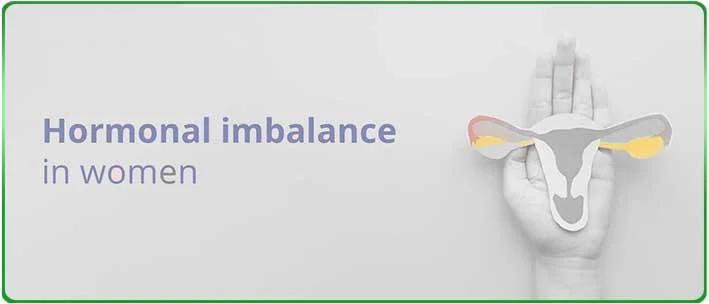
This could mean hormonal imbalance or other conditions that should be checked.
Infections and Discharge
Infections are common, and early treatment prevents discomfort and complications.
HPV and Cervical Health
HPV vaccine is safe and best given during the teenage years.
Healthy Habits for Teens
Along with visits to the gynaecologist, Dr. Neha Lalla encourages teens to build healthy habits:
Eat balanced meals with fruits, vegetables, and enough protein
Drink plenty of water
Exercise for at least 30 minutes most days
Sleep 7–9 hours every night
Change pads regularly and keep the area clean and dry
Avoid harsh soaps or perfumes on intimate parts
Talk openly about feelings and stress
Say no to smoking and limit sugary drinks
Why Choose Dr. Neha Lalla: The Best Gynaecologist in Dubai for Teens
Choosing the right doctor matters. Dr. Neha Lalla is known in Dubai for being:
Kind and friendly with teenage girls
Experienced in treating period problems, PCOS, and hormonal issues
Patient and ready to listen to every question
Skilled in using the latest medical tools safely
Supportive of both teens and parents
She believes in education, prevention, and compassion, not just treatment.
Final Thoughts
Growing up brings many questions and changes. Seeing a trusted gynaecologist like Dr. Neha Lalla helps teenage girls feel confident about their bodies and health.
If your daughter:
Has questions about her period
Faces severe pain or irregular cycles
Wants to learn about staying healthy
Needs the HPV vaccine
…it’s a good time to book her first visit.
A friendly, caring doctor can make a big difference in a girl’s journey to becoming a healthy, confident woman.
Need Help?
If you want to know more or book an appointment with Dr. Neha Lalla, the best gynaecologist in Dubai, you can visit her clinic or call to ask questions.
Your teen’s health matters – and early care makes all the difference.



Write a comment ...